
Eversmoothpro Ltd · Eastleigh & Hampshire
Ceiling plastering and repairsin Eastleigh
Understand the cause of cracks, staining or damaged plaster before choosing a repair, with practical advice and free, no-obligation quotes from Eversmoothpro Ltd.
13 years
in the trade
£1m insured
public liability
Verbal guarantee
on work carried out
Free quotes
no obligation
Ceiling Plastering & Repairs
Repair the ceiling with its condition and cause in view
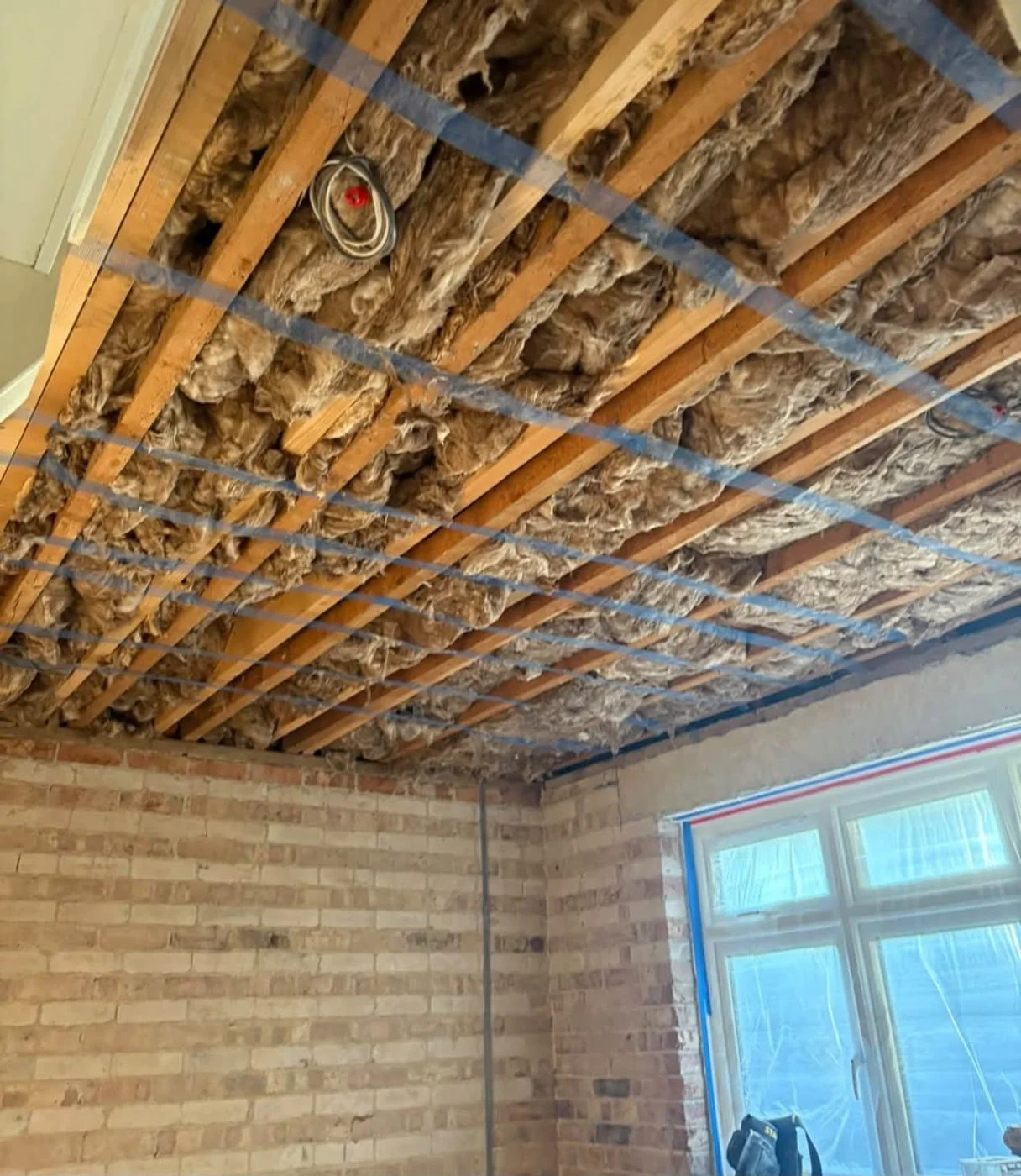
A ceiling repair needs to do more than hide a mark above your head. A fine crack, a damaged patch around a former fitting and a visibly sagging ceiling may look like related plastering problems, but they can require very different responses. George Rogowski of Eversmoothpro Ltd discusses ceiling plastering and repairs in Eastleigh with the existing background and likely cause in mind. The aim is to identify an appropriate plastering scope, not to assume that every defect can be solved by filling a line or spreading a new skim over the whole surface.
Overhead safety comes first. Sagging, movement, loose sections and active leaks need their causes assessed before cosmetic work proceeds. If material is falling or appears liable to fall, keep people and pets clear of the affected area and seek professional help promptly. Do not stand underneath to press, prod or pull at the plaster, and do not assume that a water-damaged ceiling is safe because the surface has stopped dripping. Water near electrical fittings needs appropriate electrical advice. The relevant building, plumbing or other assessment may need to happen before any plastering repair can be responsibly specified.
Eversmoothpro Ltd has 13 years of experience and £1m public liability insurance, with free, no-obligation quotes and working hours of 8AM–5PM, Monday–Friday. Explain what you have noticed, when it began and whether there has been a leak, impact or previous repair. Older textured finishes need additional caution: pre-2000 coatings can contain asbestos. Do not sand, drill, scrape or remove texture to investigate. Suspected materials require competent assessment and testing before disturbance, and specialist work where necessary. A clean-looking painted surface or later coating is not proof that the material beneath is safe.
Before you start
Ceiling defects that need the right diagnosis
Cracks that reopen after decorating
A recurring crack may reflect background movement, a joint issue or another unresolved defect rather than a shortage of filler. Note whether it changes, extends to adjoining surfaces or returns after previous repairs. That history helps decide whether plastering is appropriate or further assessment is needed. A cosmetic repair cannot promise to stop movement originating elsewhere in the building.
Stains and softened plaster after a leak
Before discussing a finish, establish whether the water source has been identified and resolved. Drying conditions and the extent of damage then affect what can be retained. Brown marks alone do not show the whole condition of a ceiling, and a dry-looking face may not tell you what is happening behind it. Loose or bulging areas require particular caution and professional assessment.
Patches that remain visible in strong light
Old repairs can stand out because of different levels, texture or absorbency, especially near a window. A local patch may be sensible for a contained defect on a sound background; wider skimming may be worth discussing where transitions would remain conspicuous. Neither option should be chosen solely on appearance if adhesion, water damage or material safety has not yet been considered.
A clear next step
From first look to finished surface
Explain the defect without disturbing it
Describe the affected area, how it has changed and any relevant leak or building work. Photographs taken from a safe position may help an initial discussion, but cannot establish overhead stability. Avoid probing cracks or removing loose edges yourself. If material is falling, prioritise keeping the area clear and getting appropriate help rather than gathering close-up images.
Assess safety, materials and underlying causes
The ceiling condition and background need consideration before a repair method is selected. Movement, sagging and active leaks may require other professional input first. Any suspected asbestos-containing coating needs competent assessment and testing before disturbance. Ordinary plaster preparation must not begin on the assumption that a painted or previously repaired surface is automatically safe to work on.
Decide between a local repair and wider work
Where plastering is suitable, discuss the repair extent, the expected transition and whether broader skimming is justified. Existing adhesion, levels and light across the ceiling all influence that decision. Ask what is included around edges and fittings, and what remains outside the plastering scope. A patch should not be presented as a structural solution to an unresolved cause.
Prepare access and complete the agreed plastering
Agree how furniture, flooring and access will be managed before work starts. Appropriate preparation and application then follow the assessed background and chosen repair method. Any electrical alterations should be arranged with qualified help. Do not remove ceiling fittings through suspect coatings or work beneath unstable material simply to make the room ready for a plastering visit.
Allow drying and plan the decoration
A repaired ceiling needs suitable drying before compatible decoration. The timing depends on the repair depth, room conditions and products used rather than a fixed number of days. Ask about the preparation needed for painting and monitor the original defect after repair. New staining or renewed movement should trigger consideration of the cause, not repeated cosmetic covering.
The difference it makes
A finish that works for your home
A repair matched to the actual problem
Distinguishing a contained damaged patch from broader failure helps avoid both unnecessary work and inadequate repairs. You can understand why a local treatment may be suitable in one room while another ceiling needs investigation or a different scope. The starting point is condition, not a universal recommendation to skim everything.
Safer decisions about overhead work
Considering loose material, leaks and suspect coatings early keeps the discussion focused on what can be approached safely. It also makes clear when plastering is not the immediate next step. No decorative improvement is worth overlooking an unstable ceiling or starting preparation that disturbs an unassessed suspect material.
Better planning for the final painted appearance
Looking at levels, light and surrounding texture before a repair helps set realistic expectations. Some local repairs can blend appropriately; others may remain more noticeable without a wider finish. Agreeing this before work makes the proposed scope easier to compare and reduces assumptions about what a small patch can achieve.
Clearer coordination after leaks or other trades
Ceiling work often follows plumbing, electrical or building repairs. Establishing the sequence helps avoid finishing a surface before the cause has been resolved or before planned access holes are complete. It also gives you an opportunity to share relevant material reports and explain where existing finishes must not be disturbed without assessment.
Materials & methods
What to consider around your ceiling repair
Report changes, not just the current appearance
When enquiring, explain whether the defect appeared suddenly, followed water ingress or has developed gradually. Mention noises, visible movement and earlier repairs if known, without placing yourself beneath unsafe material to investigate. These observations support the conversation but do not replace assessment. If the condition worsens while you are waiting, reassess safety rather than assuming the original repair plan still applies.
A leak must be resolved before finishing
Confirm the source with the appropriate professional and explain what repair has been carried out. Plaster may need time and suitable conditions to dry, and damaged sections may not be fit to retain. Stain treatment and decoration are separate considerations from the soundness of the background. Painting over a mark does not demonstrate that the ceiling has recovered or that hidden damp has gone.
Older finishes need material awareness
A smooth patch beside a textured area does not establish the composition of either surface. Records of previous testing or refurbishment can be useful, but suspect materials still need competent assessment and testing before disturbance. Do not sand edges, drill fixings or scrape texture to prepare for a quote. Where specialist asbestos work is needed, it must be addressed separately and appropriately.
Understand the limits of a local patch
A repair can involve more area than the visible defect because sound edges and workable transitions matter. Existing paint layers and nearby surface levels can affect the finished appearance. Ask whether the quote covers only plastering or includes any decoration, and discuss how the repair will meet the surrounding ceiling. Neither invisible blending nor freedom from future building movement should be assumed.
Questions
Ceiling Plastering & Repairs FAQs
How much does a ceiling repair cost?
Cost depends on the defect, ceiling area, background condition, access and preparation required. A small visible crack can need more investigation than a larger straightforward patch. Eversmoothpro Ltd offers free, no-obligation quotes for the agreed plastering work. Any separate leak repair, material testing or specialist work should be clarified rather than presumed included in a single fixed price.
How long will ceiling plastering take?
The programme depends on the repair method, drying conditions and whether underlying issues have been resolved. Application time is different from the time needed before decoration. An active leak, uncertain background or suspect material can change the sequence substantially. Ask for guidance based on the assessed repair rather than relying on a universal turnaround or guaranteed completion time.
Will you patch the damage or skim the whole ceiling?
That depends on the soundness of the ceiling and the finish that can reasonably be achieved. A local patch may suit isolated damage, while broader skimming may help address widespread unevenness on a suitable background. Neither is automatically appropriate for sagging, movement or active leaks. The cause, material safety and repair boundaries need consideration before choosing the cosmetic treatment.
Is your ceiling repair guaranteed?
Eversmoothpro Ltd offers a verbal guarantee. Ask George to explain how it applies to the agreed repair before work begins; no duration or additional terms are assumed here. Underlying movement, renewed water ingress and later alterations need separate consideration. Understanding the repair scope and any unresolved causes is as important as discussing the guarantee itself.
How long should a repaired ceiling last?
There is no fixed lifespan for every ceiling repair. Performance depends on the background, the original cause, moisture conditions and future movement or disturbance. A sound repair cannot prevent a new roof leak or unrelated building movement. Keep an eye on changes after decoration and seek advice if cracks recur, stains return or any section becomes loose or distorted.
Do you provide emergency ceiling repairs?
Call to check availability during working hours of 8AM–5PM Monday–Friday. Emergency attendance and response times are not guaranteed. If plaster is falling or the ceiling appears unstable, keep the affected area clear and seek appropriate professional help promptly. Active water near electrical equipment also needs the relevant professional attention; do not treat a safety issue as a routine cosmetic booking.
Do you repair ceilings across Eastleigh and Hampshire?
Enquire with your Eastleigh or Hampshire address so George can confirm coverage for the particular job. Describe the defect, room access and any known leak or coating history. This helps establish the next step without assuming a visit or timescale. Free, no-obligation quotes are available, and any requirements for separate investigation should be discussed alongside the plastering enquiry.
Can a cracked textured ceiling simply be sanded and skimmed?
No such approach should be assumed safe. Pre-2000 textured coatings can contain asbestos. Do not sand, drill, scrape or remove texture to investigate it or prepare for repairs. Suspected materials need competent assessment and testing before disturbance, with specialist work where needed. Skimming over a coating does not prove asbestos safety, and cracks or sagging may also indicate a separate background problem.
Free, no-obligation quote
Discuss the right next step for your ceiling
Contact George Rogowski at Eversmoothpro Ltd for a free, no-obligation ceiling plastering quote in Eastleigh or to check Hampshire coverage. Explain the damage and any known cause during 8AM–5PM Monday–Friday. Keep clear of unstable overhead material and leave suspect coatings undisturbed while the appropriate assessment is arranged.
13 years in the trade · £1m public liability insurance · Verbal guarantee on work