
Eversmoothpro Ltd · Eastleigh & Hampshire
Cork Insulating Plaster in EastleighDiscuss the right finish for your walls
Cork-based insulating plaster for suitable walls in Eastleigh and Hampshire. Speak to George about your existing surfaces, the proposed system and a free, no-obligation quote.
13 years
in the trade
£1m insured
public liability
Verbal guarantee
on work carried out
Free quotes
no obligation
Cork Insulating Plaster
What is cork insulating plaster?
Cork insulating plaster is a plaster or coating that incorporates cork particles within a binder. It is intended to combine a wall finish with a contribution to thermal performance. The name covers different products rather than one standard recipe. A lime-based insulating plaster and a thin sprayed cork coating can have different uses, thicknesses and finishing requirements, so they should not be treated as interchangeable.
If you are renovating a room or looking at how an existing wall could be improved, start with the construction beneath the finish. Solid masonry, cavity walls, plasterboard and previously painted surfaces present different conditions. The proposed product must be suitable for that background, and the wall must be sound enough to receive it. Choosing a material because it contains cork is not a substitute for checking the complete system.
Eversmoothpro Ltd offers cork insulating plaster alongside its plastering and rendering services across Eastleigh and Hampshire. George has 13 years in the trade, with £1m public liability insurance and a verbal guarantee on work carried out. That experience is in the trade generally; it is not a claim of a particular cork-product accreditation or a stated number of cork installations.
Tell George which wall you want to improve and what matters most: the final appearance, the space available for a new build-up, or a concern about a cold surface. The discussion can establish the preparation and finish that need pricing. Where insulation calculations, moisture assessment or building approval are needed, obtain the appropriate advice before committing to a specification. There is no obligation to proceed after receiving a quote.
Before you start
Check the wall before choosing the plaster
A cold wall needs more than a new coating
A cold wall can be affected by its construction, exposed position, junctions with floors and windows, and the heating and ventilation of the room. Cork insulating plaster may contribute to a suitable design, but a thin layer should not be assumed to replace conventional insulation. The product's declared thermal properties and its installed thickness are needed to assess what it can actually achieve.
Damp must be investigated first
Staining, peeling paint or mould should not simply be covered with insulating plaster. Leaks, rain penetration, condensation and other moisture sources need different responses. Deal with the cause and check that the proposed wall build-up is appropriate. Even where a product is described as vapour-permeable, that does not make it a universal damp treatment or remove the need for ventilation and moisture assessment.
Existing finishes can affect adhesion
Loose plaster, dusty masonry, incompatible paint or unstable patches can prevent a new coat from bonding properly. Preparation might involve removing unsound material or using a specified primer or base coat. It must follow the chosen product's instructions rather than a standard approach applied to every house. Suspect older coatings also need assessment before scraping, drilling or other disturbance.
A clear next step
From first look to finished surface
Explain the wall and your priorities
Send your location, photographs and a description of the work through the enquiry form, or call George. Mention any damp history, previous repairs and the finish you would like. Photographs help start the conversation, but they cannot establish hidden wall construction or confirm a moisture problem. Access, room use and the extent of the proposed work also help define the next step.
Check the proposed system
The background, existing coatings and available space need consideration before choosing a cork plaster. Confirm whether the product is intended for the proposed internal or external use, how it must be prepared and what finish it accepts. If thermal or moisture performance is a key objective, specialist assessment may be needed. Manufacturer guidance should support the specification rather than general claims about cork.
Agree the scope and quote
A useful quote sets out the surfaces included, preparation, chosen material and intended final finish. Discuss whether trims, reveals, sockets or adjoining finishes need attention as the wall thickness changes. Clarify protection, waste removal and any decorating work separately. Eversmoothpro's quotes are free and carry no obligation; the price depends on the actual work rather than an advertised rate for every property.
Prepare and apply to the specification
Once the scope is agreed, the wall needs the preparation required by the selected system. Coat thickness, reinforcement, junction details and application conditions are product-dependent. Follow the specified sequence and do not add an incompatible material merely to speed the job up. Room access and protection can be discussed beforehand so the work is planned around the surfaces and belongings involved.
Allow drying and agree the final finish
Drying depends on the material, thickness and conditions, so there is no single timetable that suits every wall. Any finishing plaster or paint must be compatible with the complete system and used at the appropriate stage. Discuss the surface appearance and subsequent decorating with George before application. Keep the chosen product information for future maintenance and repairs, especially if the wall is later altered.
The difference it makes
A finish that works for your home
An option where wall space matters
An applied plaster can be worth considering where boards, battens or a thicker internal build-up would affect the room. That is a reason to compare options, not a promise that a thin coating will provide the same insulation as a thicker system. Window reveals, door openings and fittings still need careful thought. The available thickness should be part of the specification from the start.
A finish shaped around the existing surface
Plaster-based systems can suit some uneven backgrounds, subject to preparation and permitted application thickness. This may be useful when improving an existing wall without treating every surface as new plasterboard. Large defects, movement or loose material still need attention before application. Agree what level of flatness and texture is expected, because the insulating coat may not itself be the final decorative surface.
Cork within a considered material choice
Cork is a plant-derived ingredient, but the complete product also contains a binder and may include other components. Assess the actual technical data rather than assuming every cork plaster has the same environmental credentials, fire classification or moisture behaviour. If those matters are important to your project, ask for information about the selected system. A natural ingredient alone cannot establish the performance of the finished wall.
Preparation and finishing discussed together
Adding cork insulating plaster gives you another wall-finishing option to compare with ordinary replastering or skimming. Discuss the background, insulation objective and decoration as one job instead of selecting the top coat first. If a straightforward surface repair is all that is needed, conventional plastering may be more appropriate. The aim is to choose work that matches the wall and your priorities, without paying for an unsuitable specification.
Materials & methods
Thickness, compatibility and finishing details
Thermal performance belongs to the whole wall
An insulation claim needs more than a product name. Declared thermal conductivity, application thickness and the existing wall build-up influence the result. Junctions and interruptions can also affect performance. Do not assume a particular U-value, heating-bill reduction or room-temperature improvement without a suitable assessment. Where the proposed work falls within building regulations, check the applicable requirements and obtain the necessary advice before the work is specified.
Internal and external products are not interchangeable
Some cork-containing products are designed for interior plastering; others are exterior coatings or form part of a different render system. A product intended for one use should not automatically be specified for the other. Exposure to weather, substrate preparation, top coats and detailing all matter. For an exterior project, explain the wall condition and exposure to George so the appropriate rendering options can be considered rather than assuming an interior insulating plaster will suit.
Moisture behaviour and paint compatibility
The binder, thickness and finish affect how the wall build-up handles moisture. A vapour-permeable plaster can still be compromised by an incompatible coating or unsuitable background. Ask which finishing materials the manufacturer permits and whether an existing paint needs removal. Where damp or condensation is present, a competent assessment should address the wall, heating, ventilation and moisture source. Cork plaster should not be sold as a guaranteed cure for mould or water ingress.
Reveals, sockets and adjoining surfaces
A thicker finish changes where the wall meets windows, doors, skirtings and other fittings. Reveals may have less available depth than the main wall, and socket positions can require attention by an appropriate tradesperson. Clarify these details before quoting so the intended edges and transitions are understood. Reinforcement and joint treatment should follow the system guidance. Covering a crack is not a substitute for investigating ongoing structural movement.
Appearance, care and future repairs
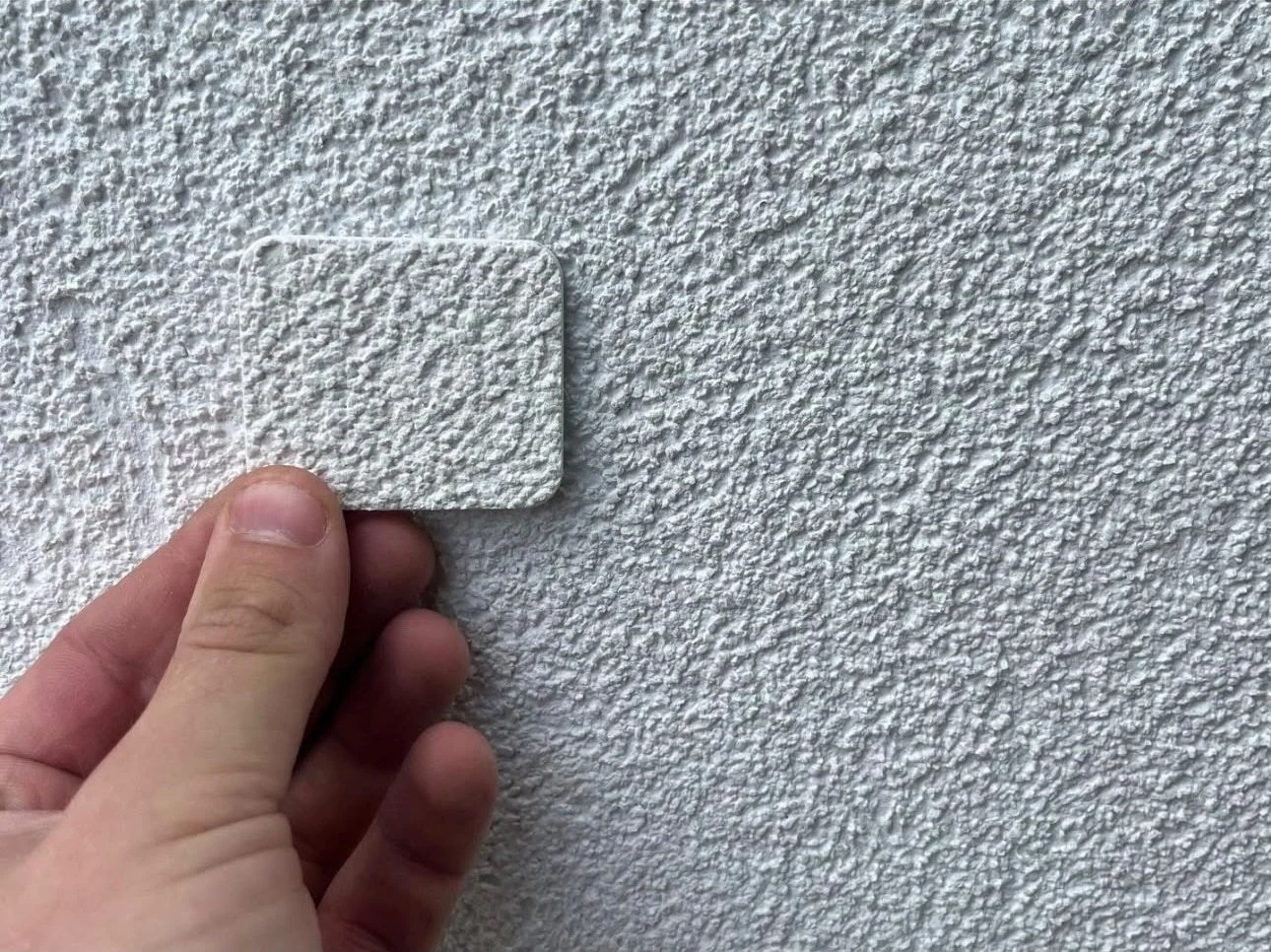
Agree whether the finished wall is intended to be textured, receive a compatible finishing coat or be decorated with a specified paint. Do not assume the cork-containing layer will look like a standard gypsum skim. Drying and curing instructions must be followed before decoration. Later drilling, fixtures and patch repairs need consideration because they alter the finish. Keeping a record of the chosen product helps identify compatible repair materials if the wall is changed in future.
Questions
Cork Insulating Plaster FAQs
Is cork insulating plaster the same as spray cork?
Not necessarily. Cork insulating plaster usually describes a plaster incorporating cork particles, while spray cork can describe a different coating. Formulations, thicknesses and intended uses vary. Confirm the exact product and complete system rather than assuming the two terms mean the same thing.
Will it replace wall insulation?
That depends on the proposed system and the performance required. Do not assume a thin cork coating is equivalent to conventional wall insulation. The declared thermal properties, installed thickness and existing wall construction need assessment before making an insulation claim or specifying work to meet a particular requirement.
Can cork plaster solve damp or mould?
It should not be treated as a guaranteed damp or mould cure. Investigate the moisture source first, including leaks, rain penetration and condensation. The proposed wall finish must suit the construction, and heating or ventilation issues may need separate attention. Covering a symptom can leave the underlying problem unresolved.
Can it go over my existing plaster or paint?
Possibly, but only where the selected system permits that background and it is sound and properly prepared. Loose material, dust or incompatible coatings may need removal. The manufacturer may specify a primer or base coat. A wall assessment is needed rather than promising application over every existing finish.
Can cork insulating plaster be used outside?
Only if the selected product and complete system are suitable for exterior use and the property's exposure. Interior plasters and exterior cork coatings are not interchangeable. Discuss the external wall with George before choosing a material; preparation, weather conditions and junction detailing must follow the relevant specification.
Can I paint it afterwards?
The final decorative treatment depends on the chosen system. Some products require a compatible finishing coat before painting, and the permitted paint needs checking. Allow the specified drying or curing period. Agree the intended appearance before application so the quoted work and your decorating plans match.
How much does cork insulating plaster cost?
The price depends on the wall area, background condition, preparation, product, thickness and intended finish. Access and details around fittings can also affect the scope. Eversmoothpro offers free, no-obligation quotes, so send the property location and an outline of your project for a discussion rather than relying on a generic price per square metre.
Do you offer this service in Eastleigh and Hampshire?
Yes. Cork Insulating Plaster is part of Eversmoothpro Ltd's services across Eastleigh and the Hampshire coverage area. Speak to George about your property and the suitability of the proposed work. Current availability, the material specification and any further assessment needed can be discussed before you decide to proceed.
Free, no-obligation quote
Discuss cork insulating plaster for your home
Tell George about the wall, your location and the finish you have in mind. Get a free, no-obligation quote for suitable work in Eastleigh and Hampshire.
13 years in the trade · £1m public liability insurance · Verbal guarantee on work